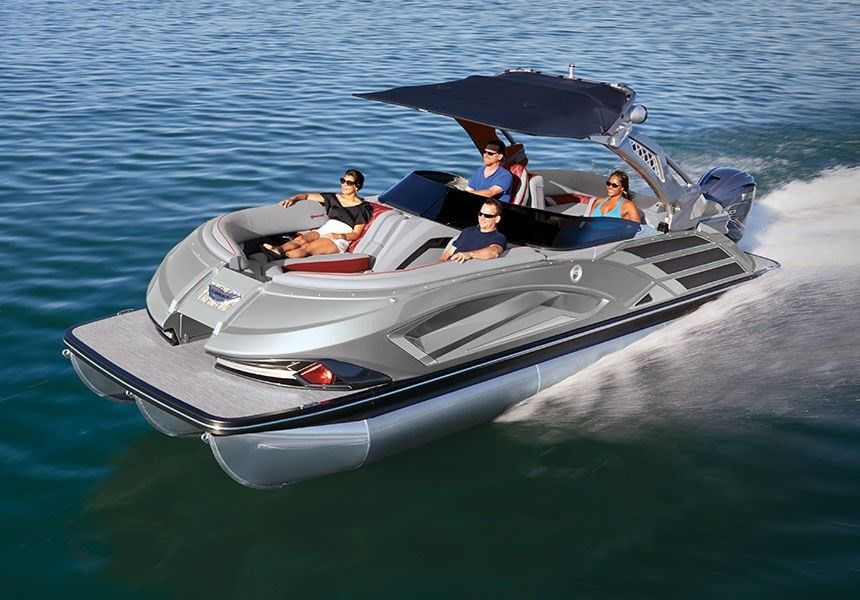
Pontoon boats have grown in popularity due to their stability, spaciousness, and versatility. Whether for fishing, cruising, or hosting gatherings on the water, these boats offer a comfortable experience. However, the cost of owning a pontoon boat extends beyond the sticker price. From materials to customization, understanding the factors influencing cost can help buyers make informed decisions.
Material Quality And Its Impact On Price
One of the first cost factors is material quality. Aluminum, the most common material for pontoons, is lightweight yet durable. Higher-grade aluminum resists corrosion better but comes at a higher price. Upholstery, flooring, and seating materials also play a significant role. Luxury finishes can dramatically increase costs. Knowing the materials used by pontoon boat makers helps anticipate expenses.
Engine Choices And Performance Costs
Engines are another major expense. Standard outboard engines offer reliability and moderate power, while high-performance engines boost speed and efficiency. Larger engines consume more fuel and require more maintenance, adding to the long-term costs. Leading pontoon boat makers often provide a range of engine options. Choosing the right engine involves balancing performance needs with budget constraints.
Customization Options From Pontoon Boat Makers
Many buyers desire personalized features. Customizations include audio systems, sun shades, fishing gear, and entertainment modules. While these enhance the boating experience, they add significantly to the overall cost. The pontoon boat makers often offer packages, allowing buyers to select options without overspending. Planning customization carefully ensures a balance between enjoyment and cost.
Maintenance And Long-Term Cost Planning
Maintaining a pontoon boat affects total expenditure. Routine cleaning, engine servicing, and seasonal care are essential. High-quality boats from leading pontoon boat makers may reduce frequent repairs but require proper upkeep. Budgeting for maintenance protects your investment and prevents unexpected expenses. Understanding maintenance costs is as important as knowing the purchase price.
Insurance And Registration Expenses
Insurance premiums and registration fees contribute to the total cost of ownership. Factors like boat size, engine power, and location influence insurance rates. Some pontoon boat makers offer guidance or partnerships with insurance providers, helping buyers navigate these costs. Proper planning ensures coverage without overspending.
Depreciation And Resale Value Considerations
Depreciation impacts long-term financial planning. Pontoons from reputable makers often retain value better than generic models. Features, build quality, and brand reputation influence resale potential. Considering resale value at the time of purchase helps buyers make smarter investment choices.
Seasonal Upgrades And Add-On Costs
Many pontoon owners consider seasonal upgrades to enhance their boating experience. Items like weatherproof covers, upgraded navigation systems, and enhanced lighting can improve comfort and safety. While these add-ons increase upfront costs, they also protect the boat and extend its lifespan. Leading pontoon boat makers often provide these options as part of their packages, helping owners plan expenses without compromising quality. Factoring in seasonal upgrades ensures the boat remains enjoyable year-round while keeping costs manageable.
Conclusion
Understanding cost considerations is crucial when investing in a pontoon boat. From material quality and engine choices to customization, maintenance, and insurance, each factor affects overall expenditure. Working with leading pontoon boat makers ensures access to durable materials, expert advice, and a variety of options, helping buyers make informed decisions. Careful planning and awareness of these costs result in a satisfying and financially sound boating experience.