

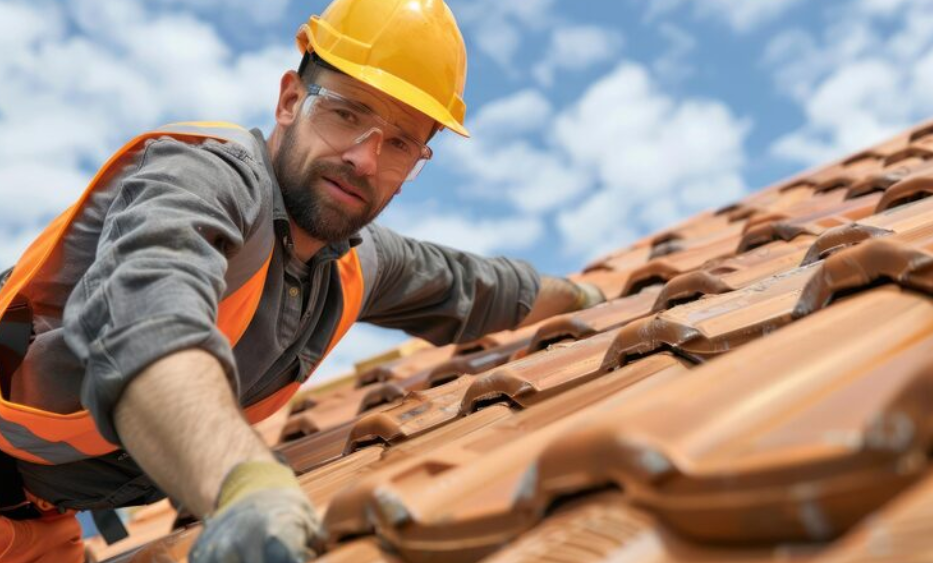
Homeowners often look for ways to improve comfort while also reducing energy costs. One of the most effective solutions is investing in roofing replacement services. A strong and well-installed roof does much more than protect your home from rain and sunlight. It plays a major role in maintaining indoor temperature, improving air quality, and lowering energy bills. Understanding how roofing replacement contributes to these benefits can help you make a smarter decision for your home’s future.
Importance of Roof Condition for a Comfortable Home
The roof is one of the most important parts of any house because it acts as the first layer of protection against weather conditions. Over time, roofs become weak due to sun exposure, heavy rain, wind, and aging materials. When this happens, small gaps, leaks, and poor insulation can develop.
These issues directly affect indoor comfort. Hot air can enter during summer, and warm air can escape during winter. As a result, your heating and cooling systems must work harder. A professional roofing replacement ensures that old and damaged materials are removed and replaced with strong, modern solutions that restore proper insulation and protection.
How Roofing Replacement Improves Energy Efficiency
One of the biggest advantages of roofing replacement is improved energy efficiency. Older roofs often lack proper insulation or have materials that no longer perform well. This leads to energy loss, which increases electricity usage and monthly bills.
New roofing systems are designed with advanced materials that help regulate indoor temperatures more effectively. They reflect heat during hot weather and retain warmth during colder months. This balance reduces the pressure on HVAC systems, allowing them to run more efficiently. As a result, homeowners experience lower energy consumption and reduced utility costs over time.
Increased Indoor Comfort and Temperature Control
A properly done roofing replacement also enhances overall indoor comfort. When a roof is in good condition, it helps maintain a stable temperature throughout the house. You no longer experience sudden heat spikes in summer or cold drafts in winter.
This improved temperature control creates a more pleasant living environment for everyone in the home. Rooms feel more consistent in temperature, and there is less need to constantly adjust thermostats. In addition, modern roofing materials can reduce noise from outside, making your home quieter and more peaceful.
Long-Term Savings and Added Home Value
Although roofing replacement requires an initial investment, it offers long-term financial benefits. Energy savings alone can significantly reduce household expenses over time. A well-insulated roof also prevents costly repairs caused by leaks, water damage, or mold growth.
In addition to savings, a new roof increases the overall value of your property. Buyers often prefer homes with recently updated roofs because they know they will not need immediate repairs. This makes roofing replacement not just a maintenance decision, but also a smart investment in your property’s future.
Conclusion
Roofing replacement plays a key role in improving both comfort and energy efficiency in any home. By upgrading old or damaged roofing systems, homeowners can enjoy better insulation, stable indoor temperatures, and reduced energy bills. It also adds long-term value and reduces the risk of expensive repairs. Investing in roofing replacement is not just about fixing a roof—it is about creating a safer, more efficient, and more comfortable living space for years to come.