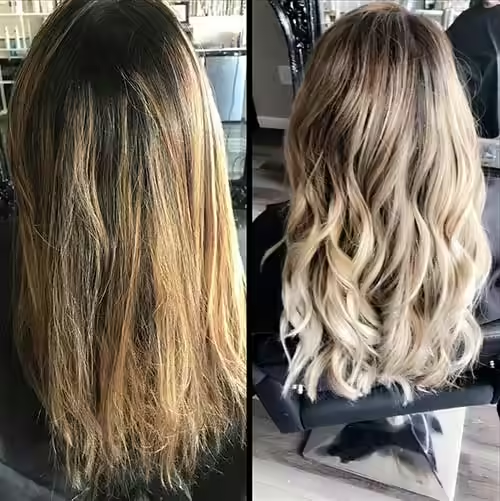
Changing your hair colour is one of the easiest ways to refresh your look. Whether you want a subtle change or a bold new style, hair colouring can boost your confidence and highlight your personality.
However, colouring your hair the wrong way can leave it dry, weak, and damaged. Many people focus on the final colour but forget that healthy hair is just as important.
The good news is that most hair colour damage can be prevented. By understanding the most common mistakes, you can protect your hair while still enjoying beautiful colour.
1. Choosing the Wrong Hair Colour for Your Hair Type
Not every hair colour works the same way on every person. Your natural hair colour, hair condition, and previous treatments all affect the final result.
Applying a colour without understanding your hair can lead to uneven tones, excessive dryness, or unexpected shades.
How to Avoid It
- Consider your natural hair colour.
- Think about your skin tone.
- Be honest about previous colouring or bleaching.
- Get professional advice before making major colour changes.
If you’re unsure which colour is right for you, speaking with an experienced stylist can help you avoid costly mistakes.
2. Bleaching Too Often
Bleaching is one of the biggest causes of hair damage. It removes natural pigment but also weakens the hair structure.
Repeated bleaching without enough recovery time can lead to brittle, dry hair that breaks easily.
Signs of Over-Bleached Hair
- Rough texture
- Split ends
- Elastic or stretchy strands
- Excessive breakage
- Hair that feels dry even after conditioning
How to Avoid It
- Leave enough time between bleaching sessions.
- Use deep conditioning treatments regularly.
- Avoid unnecessary touch-ups.
- Let a professional assess your hair before bleaching again.
3. Skipping Deep Conditioning After Colouring
Hair colouring removes moisture from the hair shaft. Without replacing that moisture, hair can quickly become dry and frizzy.
Many people focus on maintaining the colour but forget about maintaining hair health.
How to Avoid It
Use a deep conditioning mask once or twice a week.
Look for products that contain:
- Argan oil
- Shea butter
- Keratin
- Coconut oil
- Hyaluronic acid
These ingredients help restore moisture and improve softness.
4. Using the Wrong Hair Care Products
Not all shampoos and conditioners are suitable for colour-treated hair.
Harsh products can strip colour quickly and leave hair feeling dry.
People researching a professional Hair Colour Service Toronto often learn that aftercare is just as important as the colouring process itself.
Better Choices
Choose products labeled for colour-treated hair.
They usually contain:
- Sulfate-free cleansers
- Gentle moisturizers
- UV protection
- Colour-preserving ingredients
Using the right products can help your colour last longer while keeping hair healthier.
5. Using Heat Styling Too Soon
Freshly coloured hair is more sensitive than usual.
Using curling irons, flat irons, or high-temperature blow dryers immediately after colouring can increase dryness and cause additional damage.
How to Avoid It
- Reduce heat styling for the first few days.
- Always apply a heat protectant.
- Use lower heat settings whenever possible.
- Let hair air dry when you can.
Giving your hair time to recover helps preserve both colour and strength.
6. Colouring Hair Too Frequently
Many people touch up their hair more often than necessary.
Frequent colouring exposes hair to repeated chemical processing, increasing the risk of breakage and dryness.
Better Approach
Instead of colouring your entire head every time:
- Touch up only the roots.
- Refresh faded colour with colour-safe gloss treatments.
- Follow the schedule recommended by your stylist.
Spacing out appointments allows hair time to recover.
7. Trying Complex Colour Techniques at Home
Social media has made advanced colouring techniques look simple, but many require professional training.
Methods like balayage, colour correction, and multi-tone colouring involve careful product selection, timing, and application.
Attempting these techniques at home can result in uneven colour, severe damage, or unwanted tones.
Why Professional Colouring Matters
Professionals understand:
- Hair condition
- Colour theory
- Processing times
- Safe product application
- Damage prevention
Professional guidance often reduces the risk of expensive correction appointments later.
Extra Tips to Keep Coloured Hair Healthy
Healthy hair depends on good daily habits as much as professional treatments.
Protect Hair From the Sun
UV rays can fade colour and dry out hair.
Wearing a hat or using UV-protectant hair products can help.
Avoid Washing Every Day
Frequent washing removes natural oils and causes colour to fade faster.
Washing two or three times a week is often enough for many hair types.
Trim Hair Regularly
Regular trims remove split ends before they travel further up the hair shaft.
Healthy ends also make coloured hair look smoother and shinier.
Eat a Balanced Diet
Hair health starts from within.
Protein, iron, biotin, zinc, and vitamins all support stronger, healthier hair growth.
When Should You Visit a Professional?
If your hair feels extremely dry, breaks easily, or has become uneven after colouring, professional advice is often the best option.
Colour correction and repair treatments can improve the appearance and condition of damaged hair while helping prevent further problems.
Getting help early usually produces better results than trying multiple home fixes.
Conclusion
Hair colouring should enhance your appearance, not damage your hair. Avoiding common mistakes like frequent bleaching, skipping deep conditioning, using harsh products, and attempting complex colouring techniques at home can help keep your hair healthy and beautiful.
With the right care and maintenance, you can enjoy vibrant colour while protecting your hair from unnecessary damage.
For those considering Balayage Toronto, consulting an experienced colour specialist can help achieve natural-looking results while keeping hair as healthy as possible.