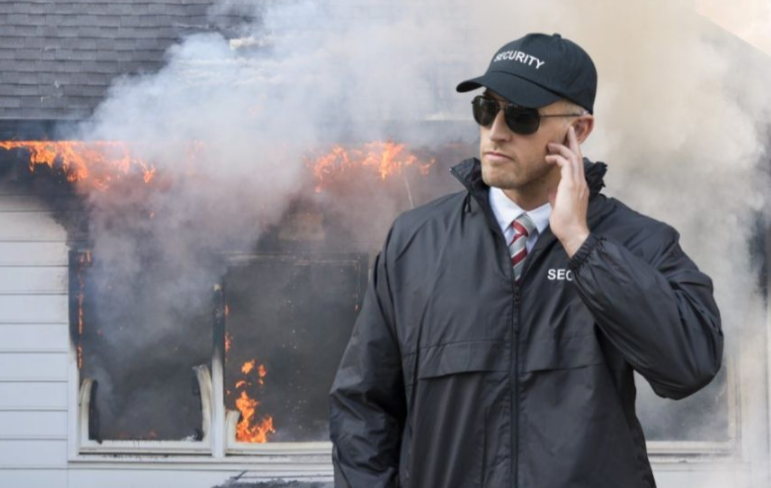
Certain situations require more than ordinary security coverage. Construction work, equipment maintenance, temporary fire-system shutdowns, and other high-risk conditions can leave a property more exposed than usual. During these periods, trained security guards assigned to fire watch duties can provide active observation and support safer site operations.
Fire watch guards are responsible for maintaining awareness, conducting scheduled patrols, identifying hazards, and following clear emergency procedures. Their role is especially important when automatic fire protection systems are temporarily unavailable or when activities on the property create additional risk.
Fire Watch Guards Provide Active Monitoring
Properties using a Fire watch security guard Oakville can benefit from a trained professional who is physically present and focused on potential hazards. Unlike automated systems, a guard can observe conditions in real time and recognize problems that may not immediately trigger an alarm.
This can include watching for smoke, unusual heat, blocked exits, unsafe storage, or activity near areas where work is taking place. Continuous attention makes it easier to identify issues before they become more serious.
Patrols Are a Core Part of Fire Watch Duties
Fire watch guards generally need to move throughout assigned areas rather than remain at a single position. Regular patrols help ensure that vulnerable locations receive consistent attention.
During these rounds, guards can inspect corridors, equipment areas, temporary work zones, storage locations, and emergency access points. If something appears unsafe, the guard can document it and notify the appropriate person according to established procedures.
Security Guards Support Emergency Readiness
A fire watch guard does not replace emergency responders, but having trained personnel already on-site can improve the initial response when something goes wrong. Guards can quickly assess the situation and take the actions required by the property’s emergency plan.
This may include raising an alarm, contacting emergency services, notifying management, helping keep people away from an affected area, or ensuring that emergency routes remain accessible. Clear procedures help guards respond calmly and consistently.
Temporary System Outages Require Extra Attention
Fire alarms, sprinkler systems, or other safety equipment may sometimes be taken out of service for repairs, maintenance, upgrades, or construction work. During these periods, the property may lose part of its normal automatic protection.
A Fire watch security guard service Hamilton can provide human oversight while those systems are unavailable. Guards can monitor the affected areas, carry out repeated patrols, and maintain records until normal protection is restored.
Access Control Adds Another Layer of Protection
Fire watch duties can also involve controlling access to areas where temporary hazards exist. Construction zones, mechanical rooms, repair areas, or locations with disabled fire systems may need tighter restrictions.
Security guards can help prevent unauthorized people from entering these spaces. They may verify contractors, observe movement, and ensure that access procedures are being followed. This reduces unnecessary exposure while allowing approved workers to continue their tasks.
Detailed Logs Help Maintain Accountability
Documentation is an important part of professional fire watch coverage. Guards can record patrol times, observations, hazards, unusual activity, and any actions taken during their shift.
These reports provide property managers with a clear record of what occurred while the fire watch was active. They can also help identify repeated concerns, allowing managers to make adjustments to procedures or guard coverage where necessary.
Different Properties Need Different Guard Plans
A warehouse, construction project, commercial building, and industrial property can each present different fire risks. For this reason, fire watch assignments should be based on the specific environment rather than a generic checklist.
Patrol frequency, guard positioning, communication procedures, access controls, and emergency contacts should all reflect the site’s layout and current conditions. Guards who understand their assigned areas can provide more effective observation and faster communication.
Communication Is Essential During Every Shift
Fire watch security works best when guards, managers, contractors, and maintenance staff understand how information should be shared. Guards need to know who to contact if they identify a hazard and what steps should follow.
Shift handovers are equally important. Relevant observations should be passed to the next guard so that monitoring remains consistent throughout the assignment.
Conclusion
Fire watch security guards provide an important layer of protection during periods of elevated fire risk or temporary system interruption. Through active patrols, hazard observation, access control, reporting, and emergency support, they help maintain continuous awareness across the property.
When trained guards are given clear responsibilities and site-specific procedures, fire watch coverage becomes more organized and effective. Their presence helps property managers maintain stronger oversight until normal safety systems and operating conditions are fully restored.