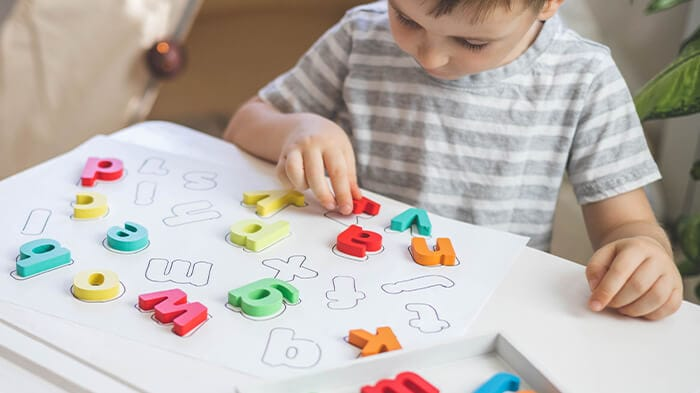
Early childhood is a crucial stage in a child’s life, where curiosity, creativity, and cognitive abilities begin to flourish. Innovative approaches in learning and care are transforming how young children explore the world, develop skills, and build confidence. Modern strategies focus not only on academic readiness but also on emotional, social, and physical development, creating a holistic environment for children to thrive.
Free Learning Games for Kindergarteners: A Fun Way to Learn
Free learning games for kindergarteners provide an engaging way to introduce essential skills such as literacy, numeracy, and problem-solving. These games combine education with entertainment, allowing children to explore concepts at their own pace while maintaining their natural curiosity. By using interactive activities, colorful visuals, and reward systems, children develop a sense of achievement and motivation to learn. Incorporating free learning games for kindergarteners into daily routines also helps reinforce lessons learned in the classroom, making education enjoyable and accessible for young learners.
Toddler Care: Nurturing the Foundation
Toddler care plays a vital role in a child’s early development, offering a safe and nurturing environment where toddlers can explore, learn, and grow. High-quality toddler care focuses on meeting the emotional, social, and physical needs of children, providing structured routines alongside opportunities for spontaneous play. Through attentive caregiving, toddlers develop essential skills such as communication, motor coordination, and social interaction. Thoughtful toddler care ensures that children feel secure and supported, creating a strong foundation for lifelong learning and emotional well-being.
Play-Based Learning: Learning Through Exploration
Play-based learning is an approach that integrates education with creative and hands-on activities. Children learn best when they can explore concepts through play, imagination, and experimentation. This method encourages problem-solving, collaboration, and critical thinking, allowing children to understand abstract ideas in concrete ways. Classrooms designed for play-based learning often include open-ended materials like blocks, art supplies, and sensory toys, providing children with opportunities to explore mathematics, language, and science concepts naturally and intuitively.
Outdoor and Experiential Learning: Connecting with the World
Experiential learning, including outdoor activities, field trips, and nature exploration, enriches early childhood education by connecting children with their environment. Outdoor experiences promote physical activity, creativity, and observational skills while fostering a sense of curiosity about the natural world. Children learn to ask questions, make discoveries, and solve problems through hands-on experiences. Integrating outdoor and experiential learning into daily routines encourages a balanced approach that supports both cognitive development and physical well-being.
Technology Integration: Enhancing Learning Responsibly
Incorporating technology into early childhood learning can enhance engagement and provide personalized learning experiences. Beyond free learning games for kindergarteners, educational apps and interactive platforms allow children to practice skills, receive feedback, and track progress. However, it is important to balance screen time with physical play, social interaction, and creative activities. Responsible integration of technology ensures that children benefit from modern tools without compromising holistic development.
Family Involvement and Community Engagement
Family engagement is a key component of innovative early childhood learning and care. When parents and caregivers participate in educational activities, children receive consistent support that reinforces classroom learning. Community programs and family-oriented events further enhance development by providing opportunities for children to interact, explore, and learn in different settings. By fostering collaboration between families, educators, and communities, children develop stronger social skills, emotional resilience, and a love for learning.
Conclusion
Innovative approaches to early childhood learning and care are reshaping the way children grow and develop. From free learning games for kindergarteners to high-quality toddler care, play-based learning, outdoor experiences, and responsible technology use, these strategies provide a holistic environment that nurtures curiosity, creativity, and critical thinking. By combining these approaches with active family and community involvement, children receive the support and opportunities they need to thrive academically, socially, and emotionally, laying a strong foundation for lifelong learning and success.